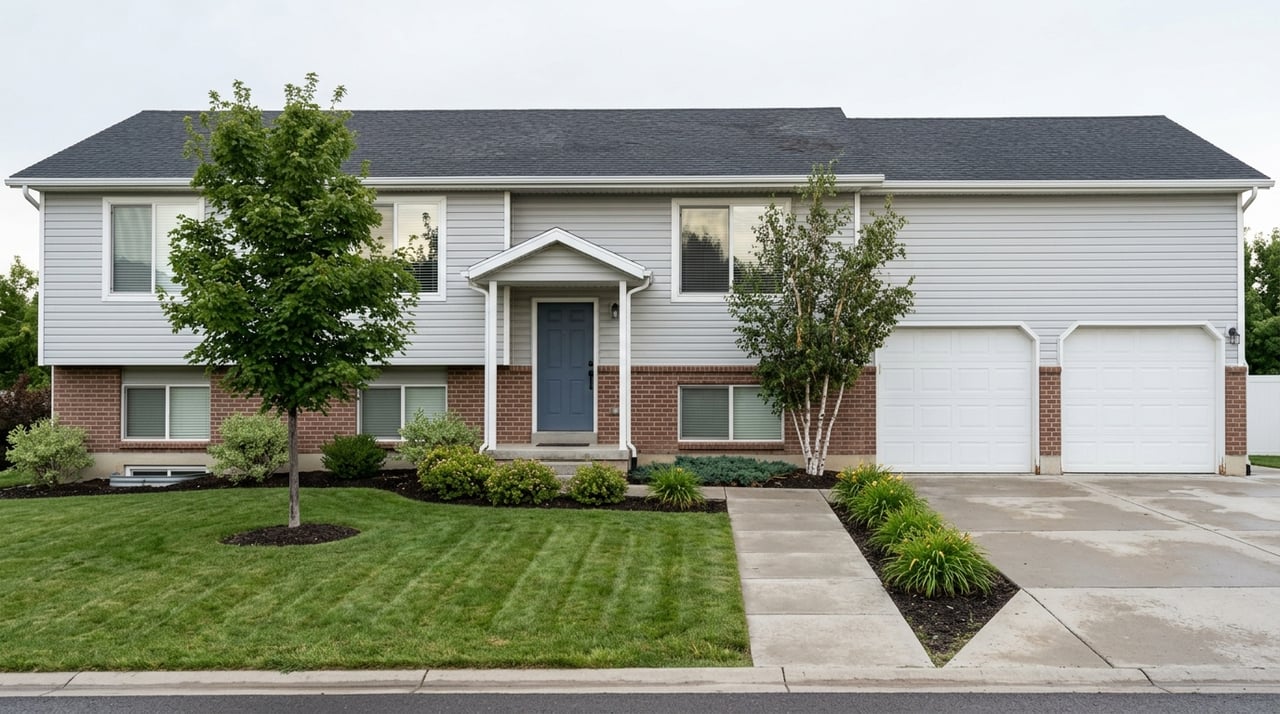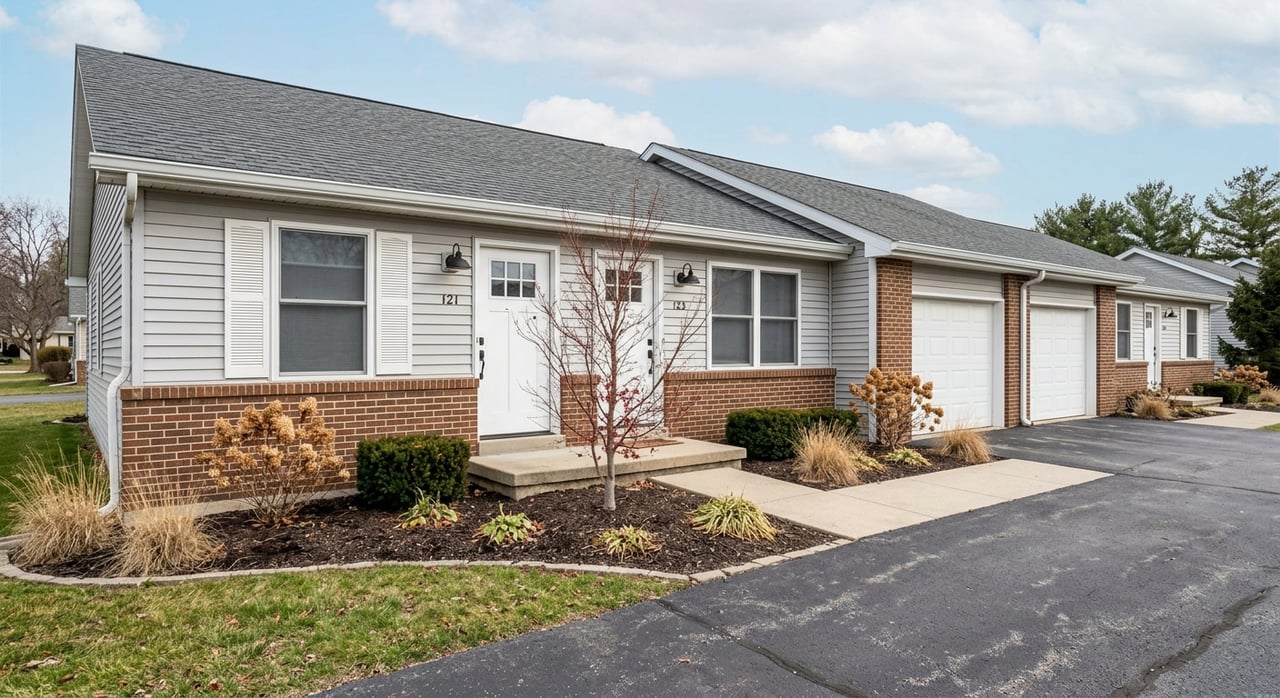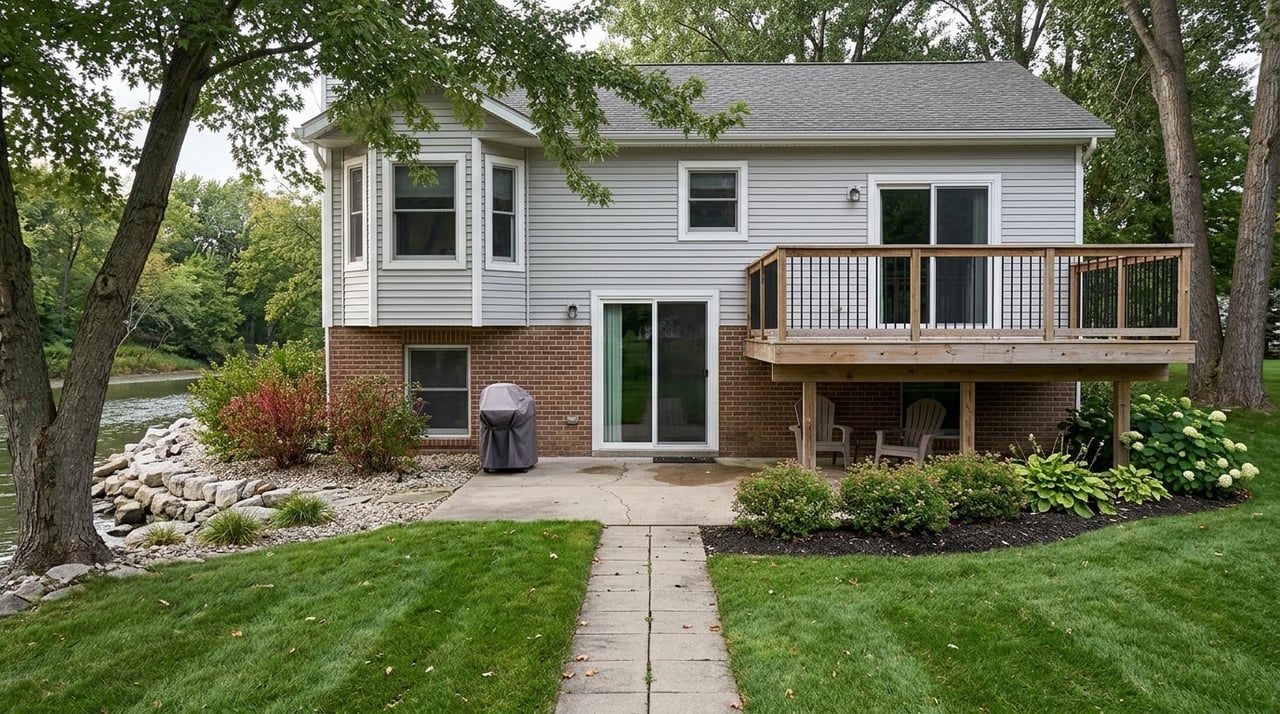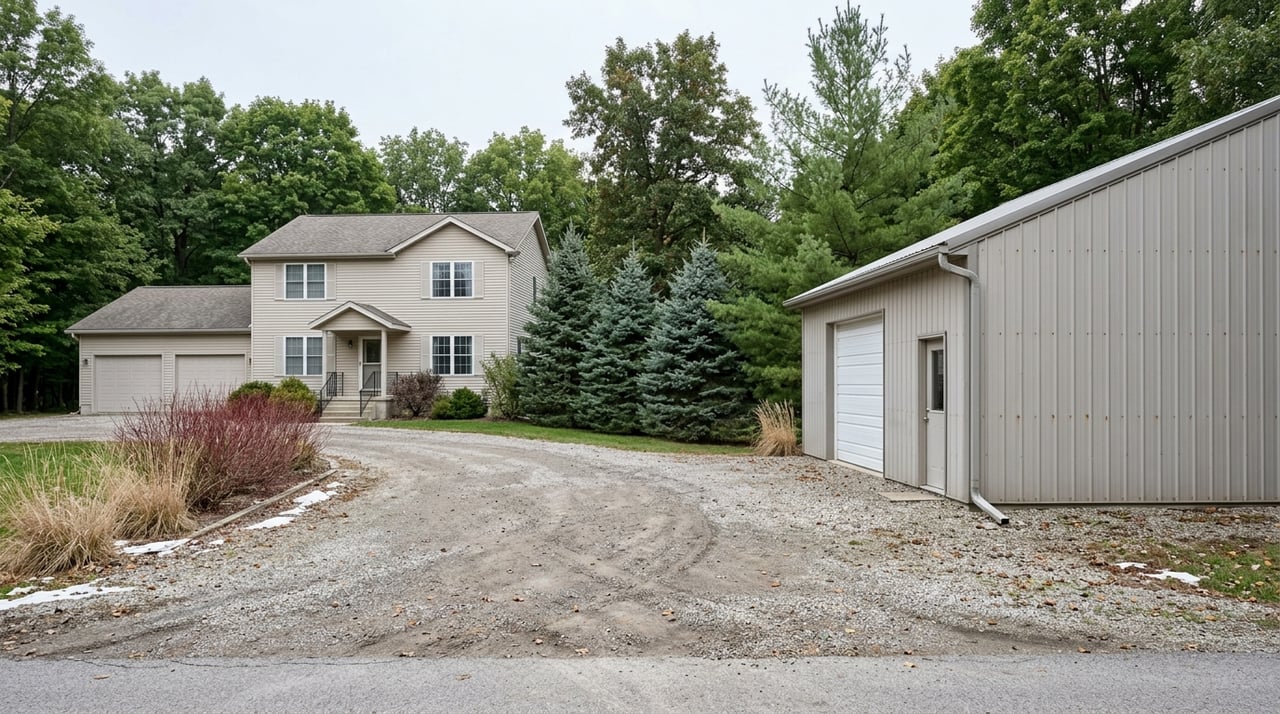
Looking for elbow room without feeling cut off from Eau Claire? That is the sweet spot many buyers want, especially if you need space for hobbies, outbuildings, or privacy but still want an easy path to work, health care, and daily errands. The good news is that you can find acreage near Eau Claire that offers both, as long as you focus on access, land basics, and local rules before you fall in love with a property. Let’s dive in.
Why access matters most
When you shop for acreage near Eau Claire, it helps to think beyond the number of acres. A larger parcel may look ideal on paper, but your day-to-day experience often depends more on how the property connects to the I-94 and US-53 corridor.
That connection affects commuting, appointments, shopping runs, and winter travel. In many cases, the real question is not “How far out is it?” but “How easy is it to reach the city when roads, weather, and traffic change?”
Distance is not the same as convenience
Acreage buyers often start by looking at drive times, but a single minute count does not tell the whole story. Winter weather, the type of road, and time of day can all change how a route feels in real life.
A more useful way to compare properties is to look at practical benchmarks. For example, Visit Eau Claire describes Fall Creek as a short, 10-mile drive from Eau Claire, and Chippewa Falls is also considered a short drive from Eau Claire. That kind of comparison can help you picture daily travel more clearly than a listing description alone.
Most acreage buyers still need a car
Eau Claire sits in the I-94 and US-53 corridor, and the city has fixed transit routes along with Northern Lite for relatively low-density areas. Route 17 connects downtown Eau Claire with Altoona.
Even so, most buyers considering acreage will still rely on a car for errands and commuting unless the property sits close to the city grid. That makes road layout, highway access, and seasonal driving conditions especially important.
City services can still be close
Choosing acreage does not mean you have to give up access to essential services. Marshfield Medical Center-Eau Claire is a 24/7 level III trauma center located at 2310 Craig Road, which gives many rural-edge buyers a reassuring point of reference.
If quick access to health care matters to you, map the property against your likely routes into Eau Claire. It is one of the simplest ways to narrow your search to locations that fit your routine.
What to check on the property itself
Once a property seems to fit your location goals, the next step is understanding how the land functions. With acreage, the biggest questions often involve water, waste systems, and the details that do not always show up in listing photos.
These are the items that can affect your comfort, your maintenance costs, and your plans for the property after closing.
Start with well and septic
For many acreage homes, private well and septic are the first major due diligence items. In Wisconsin, private well owners are responsible for maintenance, and the state recommends annual testing for bacteria and nitrate, plus arsenic and lead testing every five years.
Septic systems, also called POWTS, need regular maintenance too. Wisconsin DSPS notes that the septic tank must be cleaned out regularly, so it is important to understand the system’s condition before you buy.
Ask for records early
Before writing an offer, ask for a few key records and details. These can help you understand whether the property has been well maintained and whether any follow-up inspections may be needed.
Here are smart questions to ask:
- Is there a well construction report?
- When was the last water test completed?
- When was the septic system last pumped or serviced?
- Where are the well and septic field located?
- Are there any abandoned wells or older holding tanks on the property?
If the well construction report is missing, the Wisconsin DNR says a licensed well professional can inspect the water supply system and measure well depth. If that inspection finds noncomplying features, buyers and sellers may negotiate who handles the corrections.
Confirm parcel details before assuming anything
Acreage can look straightforward when you tour it, but boundaries, access, and legal parcel details should always be verified. Eau Claire County’s Ascent land records system allows buyers to look up tax parcel information, site address, ownership, and billing information.
That can be helpful if you want to confirm what is actually included, especially when a driveway, wooded area, or open field appears larger or different in person than it does on a listing map.
Wooded acreage comes with extra questions
If a parcel includes woods or timber, ask about current and future use. Eau Claire County requires a timber harvesting permit notice at least 14 days before cutting raw forest products.
That does not mean wooded acreage is a problem. It simply means you should match the property to your plans and understand what steps may be required if you want to clear, maintain, or harvest part of the land.
Local permits can shape your plans
One of the biggest surprises for acreage buyers is learning that future plans for the land may matter just as much as the house that is already there. A property might work well today but still need approvals if you want to build, expand, or change how the land is used.
That is why local permit and zoning research should happen before your offer deadline whenever possible.
Building rules can affect future projects
Eau Claire County says building permits are required for new one- and two-family dwellings, additions, and many structural or mechanical changes. The county also has a separate land-use permit process that depends on the parcel location.
If you are dreaming about adding a garage, shed, workshop, or future homesite, those ideas should be part of your property review from the beginning. Rural space can feel flexible, but legal use still needs to be confirmed.
Water-adjacent parcels need extra review
If acreage is near water, shoreland or floodplain rules may apply. Wisconsin’s shoreland program can apply within 1,000 feet of a navigable lake, flowage, or pond, or within 300 feet of a navigable stream, with local counties administering the rules.
Floodplain questions are also handled locally first. For buyers, the takeaway is simple: if water is part of the appeal, confirm zoning and development limits before closing, not after.
Verify the basics in writing
Even when a property feels remote or simple, details like the access road, driveway placement, setback lines, and accessory structures can be regulated differently depending on whether the parcel is in the city, a town, or a special district.
A good rule of thumb is to verify three things every time: zoning, access, and buildability. That simple check can save you from expensive surprises later.
Seasonal conditions can change the experience
Acreage living near Eau Claire often feels very different in January or during spring thaw than it does on a sunny showing day. That does not mean you should avoid rural properties. It means you should evaluate them with the seasons in mind.
This is one area where local guidance can make a big difference because the practical issues are often property-specific.
Winter access deserves a close look
Inside the City of Eau Claire, winter service follows a defined system that includes 101 miles of ice-control routes, and residential plowing is targeted for 8 to 12 hours after snowfall ends. On acreage, you should not assume that same level of response.
Ask who plows the road and driveway, how quickly access is usually restored after snow, and whether the route is public, town-maintained, county-maintained, or private. Those answers can affect both convenience and ongoing costs.
Long driveways can mean more maintenance
A long driveway may add charm and privacy, but it can also add work. Gravel shoulders, culverts, tree-lined access, and drifting snow can all create maintenance needs that are easy to miss during a quick tour.
If possible, visit during a snowy period or ask detailed follow-up questions about what changes after heavy snow and freeze-thaw cycles. Sellers can often tell you a lot about the property’s real winter routine.
Spring runoff can affect wells and drainage
Low-lying acreage and creek-adjacent properties deserve extra attention in spring. Wisconsin DHS warns that flooded wells can be contaminated by bacteria and other organisms, and users should rely on an unaffected water source until the well is tested and found safe.
That makes drainage, elevation, and the location of the well and septic field especially important. If a parcel looks wet, soft, or low compared with surrounding land, ask more questions before moving forward.
A smart acreage checklist
If you want space without losing your connection to Eau Claire, a simple checklist can keep your search focused. The goal is not just to find land you love, but to find land that fits your actual routine.
Bring these questions with you as you compare properties:
- How long does it take to reach downtown Eau Claire, your workplace, and Marshfield Medical Center-Eau Claire during a typical weekday?
- Does the property connect easily to the I-94 or US-53 corridor?
- Is the access road public, town-maintained, county-maintained, or private?
- Who handles plowing, grading, and driveway repairs?
- Is the water source a private well, and when was it last tested?
- When was the septic system last pumped, serviced, or inspected?
- Are there abandoned wells, old tanks, or older outbuildings on the parcel?
- Is the property in a shoreland zone, floodplain, or another special district?
- Will your future plans for a shed, garage, workshop, or clearing require permits?
Finding the right balance near Eau Claire
The best acreage near Eau Claire is not always the biggest parcel or the farthest drive from town. Often, it is the property that gives you the right mix of privacy, usable land, reliable access, and fewer surprises after closing.
If you want help comparing acreage options in Eau Claire, Altoona, Chippewa Falls, Fall Creek, or nearby rural areas, working with a local agent who understands wells, septic systems, zoning questions, and seasonal access can make the process much smoother. When you are ready to talk through your goals, connect with Courtney Kneifl for a personalized consultation.
FAQs
What should you look for when buying acreage near Eau Claire?
- Focus on access to Eau Claire, road maintenance, well and septic records, parcel details, zoning, and seasonal issues like snow removal and spring drainage.
How important is highway access for acreage near Eau Claire?
- Highway access matters because many buyers still rely on a car for work, errands, and appointments, so easy connection to the I-94 and US-53 corridor can make daily life much more convenient.
What well and septic questions should you ask on Eau Claire acreage?
- Ask for the well construction report, recent water test results, septic service or pumping records, the location of the well and septic field, and whether there are any abandoned wells or older tanks.
Do Eau Claire County acreage properties need permits for future projects?
- Yes, many future projects may require building permits or land-use review, especially for new dwellings, additions, and some structural or mechanical changes.
Why does winter access matter on rural property near Eau Claire?
- Winter access matters because plowing and road service may differ greatly from city service, especially if the property has a long driveway or sits on a private or less frequently maintained road.